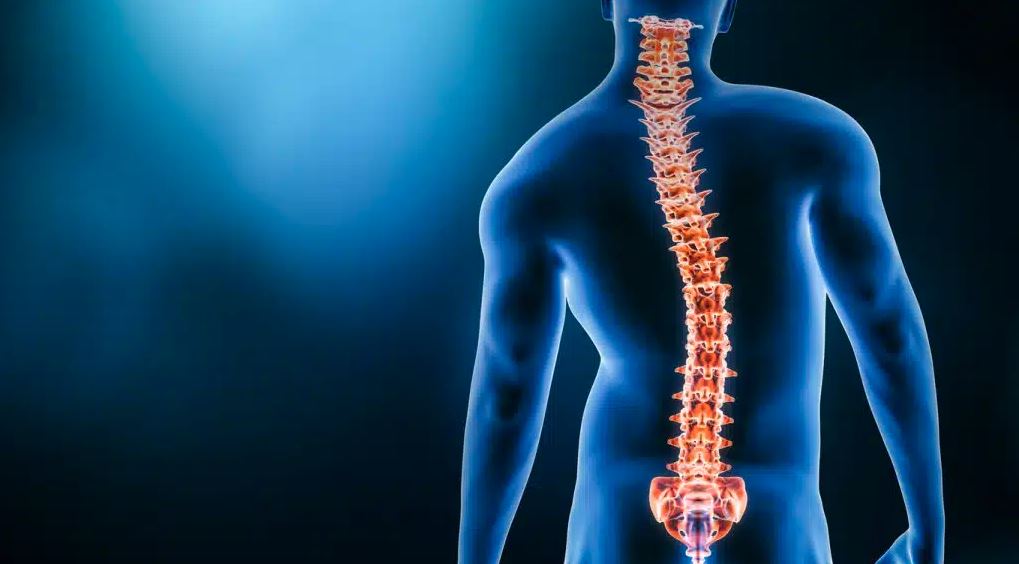
Dr. Sunil Kutty –

advance care

Scoliosis
advance care

Benefits of Scoliosis Treatment from a Neurosurgeon

Scoliosis, a condition where the spine curves abnormally to the side, can affect people of all ages. While mild cases may require only observation or physical therapy, more severe scoliosis can cause pain, limit mobility, and affect organ function. When it comes to advanced or complex cases, seeking treatment from a neurosurgeon offers significant benefits that can lead to better outcomes and improved quality of life. What is Scoliosis? Scoliosis is characterized by an S- or C-shaped curvature of the spine. It can be: Congenital: Present at birth Idiopathic: Developing during adolescence (the most common form) Degenerative: Occurring later in life due to age-related spine changes Neuromuscular: Associated with conditions like cerebral palsy or muscular dystrophy Symptoms can range from uneven shoulders or hips to chronic back pain, fatigue, or even breathing difficulties in severe cases. Why Choose a Neurosurgeon for Scoliosis Treatment? Neurosurgeons are specially trained to diagnose and treat disorders of the spine, spinal cord, and nerves. Here’s why their expertise is particularly beneficial in scoliosis care: 1. Comprehensive Understanding of the Nervous System Scoliosis can sometimes compress nerves or affect spinal cord function. A neurosurgeon is trained to handle complex neurological structures, ensuring both spinal alignment and nerve protection during treatment. 2. Expertise in Minimally Invasive and Advanced Surgical Techniques When surgery is required, neurosurgeons use cutting-edge technology and techniques such as: Spinal instrumentation and fusion Decompression procedures Minimally invasive approaches that reduce recovery time and scarring 3. Customized Treatment Plans Neurosurgeons take a holistic approach, considering your age, severity of curvature, symptoms, and overall health to craft a personalized treatment plan. This may include a mix of non-surgical and surgical options. 4. Focus on Functional Outcomes Beyond straightening the spine, a neurosurgeon focuses on restoring functionality — such as reducing pain, improving posture, and maintaining or enhancing mobility. 5. Collaborative Care Neurosurgeons often work in multidisciplinary teams with orthopedic surgeons, physiotherapists, and rehabilitation specialists, offering a more integrated and effective care approach. When to See a Neurosurgeon You should consult a neurosurgeon if you experience: Severe or progressive spinal curvature Chronic pain or discomfort Neurological symptoms such as numbness, tingling, or weakness Difficulty breathing or walking due to spinal changes Early intervention can prevent complications and improve long-term outcomes. Final Thoughts While mild scoliosis may not require invasive treatment, more complex cases benefit greatly from the specialized knowledge and surgical precision of a neurosurgeon. Their comprehensive understanding of the spine and nervous system ensures that you receive care aimed not just at correcting curvature — but at improving your overall quality of life.
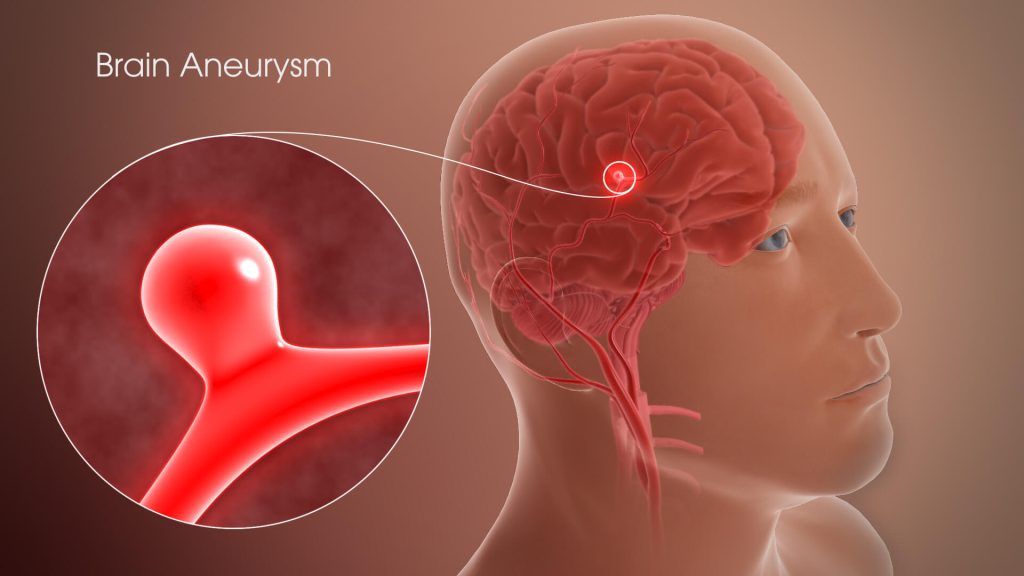
Brain Aneurysms
advance care

Understanding the Risks and Prevention of Brain Aneurysms

A brain aneurysm, also known as a cerebral aneurysm, is a potentially life-threatening condition that occurs when a weak spot in the wall of a brain artery bulges or balloons out. While many aneurysms remain undetected and cause no symptoms, they can rupture and lead to a serious type of stroke known as a subarachnoid hemorrhage. Understanding the risks and learning how to prevent brain aneurysms is key to protecting your health. What is a Brain Aneurysm? A brain aneurysm is essentially a weak or thin spot on a blood vessel in the brain that fills with blood and bulges out. Most brain aneurysms develop silently and may go unnoticed unless they rupture. A ruptured aneurysm can cause sudden, severe symptoms and may result in brain damage, coma, or death. Common Symptoms Unruptured brain aneurysms may cause: Headaches Vision problems Pain above or behind the eye Difficulty speaking Numbness or weakness A ruptured aneurysm may cause: A sudden, severe headache (often described as the “worst headache of your life”) Nausea and vomiting Stiff neck Sensitivity to light Loss of consciousness Seizures Risk Factors Several factors can increase the likelihood of developing a brain aneurysm: Family History: A family history of brain aneurysms can increase your risk. Hypertension: High blood pressure weakens blood vessel walls over time. Smoking: Smoking is strongly linked to both the formation and rupture of aneurysms. Age and Gender: Aneurysms are more common in adults over 40 and in women. Alcohol or Drug Abuse: Especially the use of cocaine or amphetamines. Certain Medical Conditions: Such as polycystic kidney disease or connective tissue disorders. Prevention Tips While not all aneurysms are preventable, you can significantly reduce your risk through healthy lifestyle choices: Manage Blood Pressure: Regular checkups and medications (if needed) help keep your blood pressure under control. Quit Smoking: Avoid all tobacco products to reduce your aneurysm risk. Limit Alcohol and Avoid Drugs: Excessive alcohol or drug use can increase pressure on artery walls. Exercise Regularly: Cardiovascular activity supports healthy blood flow and overall vascular health. Eat a Healthy Diet: Focus on low-sodium, nutrient-rich foods that support heart and brain health. Know Your Family History: If you have a close relative with an aneurysm, your doctor may recommend screening. When to See a Doctor If you experience symptoms like sudden and severe headaches, especially with vision changes or confusion, seek emergency medical attention. For those with a family history of aneurysms or other risk factors, talk to your doctor about screening options, which may include CT scans or MRIs. Final Thoughts Brain aneurysms can be frightening, but with awareness, early detection, and a proactive approach to health, many risks can be managed or reduced. By adopting a healthy lifestyle and keeping regular medical checkups, you can take important steps toward preventing this serious condition.

Scroll to Top