Brain Tumor Treatment
Expert Diagnosis & Advanced Neurosurgical Treatment
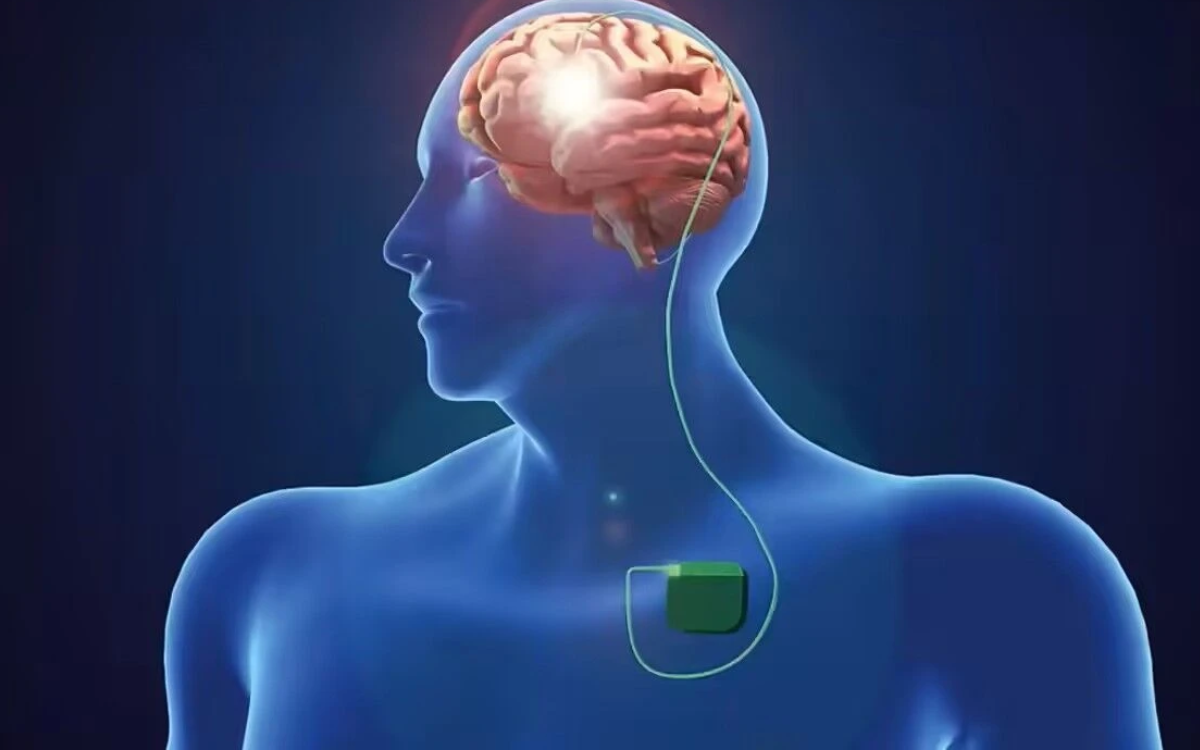
Brain tumors are abnormal growths of cells in the brain that can be benign (non-cancerous) or malignant (cancerous). Their presence can cause serious neurological symptoms, including headaches, seizures, memory loss, and difficulties with motor function. Early diagnosis and precise treatment are crucial for better patient outcomes.
Dr. Sunil Kutty, a highly experienced neurosurgeon, specializes in Brain Tumor Treatment in Navi Mumbai, offering expert diagnosis and advanced surgical techniques. His expertise in craniotomy, stereotactic surgery, and minimally invasive procedures ensures precise tumor removal while preserving critical brain functions. His patient-centric approach focuses on personalized treatment plans, ensuring the best possible quality of life for his patients.
Common Symptoms of Brain Tumors
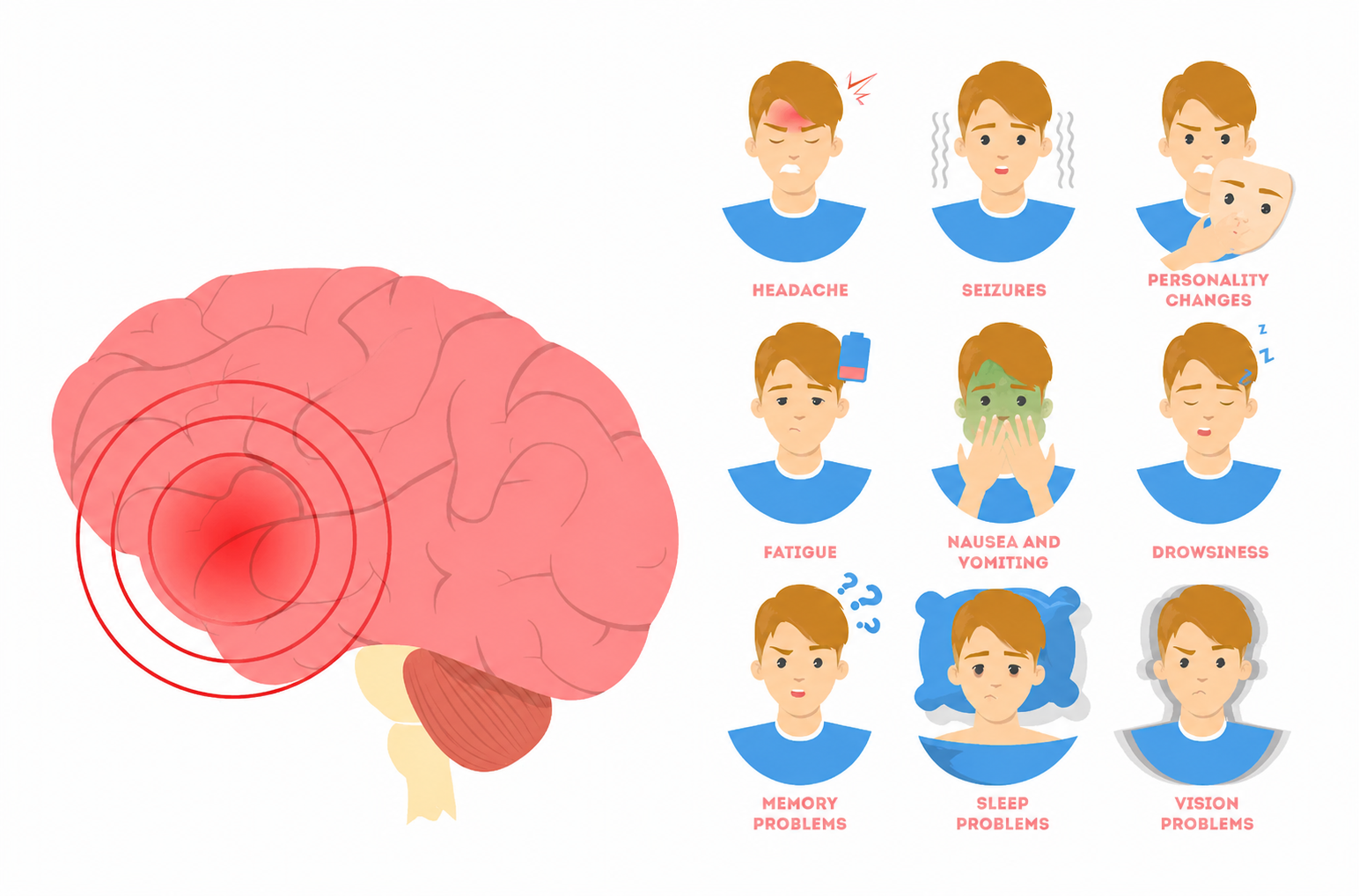
Brain tumor symptoms vary depending on the tumor's size, type, and location. Common signs include:
-
Persistent or worsening headaches
-
Sudden seizures or convulsions
-
Difficulty with speech or hearing
-
Vision problems (blurring or double vision)
-
Gradual loss of sensation or movement in limbs
-
Balance issues and dizziness
Comprehensive Treatment Options
Dr. Sunil Kutty utilizes state-of-the-art technology to provide the most effective treatment for both primary and metastatic brain tumors.
-
Craniotomy: Surgical removal of the tumor by opening the skull with precision.
-
Stereotactic Surgery: Using computer-guided 3D mapping for pinpoint accuracy.
-
Minimally Invasive Procedures: Advanced techniques to reduce recovery time.
-
Neuro-Oncology Care: Comprehensive management of malignant growths.
-
Functional Preservation: Ensuring speech, motor, and cognitive functions remain intact.
-
Post-Operative Rehabilitation: Guided recovery to restore mobility and strength.
What is the success rate of brain tumor surgery?
The success rate depends on the tumor's type, location, and size. With modern neuro-navigation and Dr. Kutty's expertise, surgical outcomes have significantly improved, focusing on maximum tumor removal while ensuring safety.
How long is the recovery period after brain surgery?
Most patients spend 3 to 7 days in the hospital. Full recovery can take several weeks to months, during which physical or occupational therapy may be recommended to regain full function.
Can a brain tumor return after surgery?
Some aggressive or malignant tumors have a risk of recurrence. Regular follow-up MRI scans and potentially adjuvant therapies like radiation or chemotherapy are used to monitor and manage this risk.
Are all brain tumors cancerous?
No, many brain tumors are benign (non-cancerous). However, even benign tumors can be serious because they can grow and put pressure on sensitive parts of the brain.
Explore Our Neurosurgical Services
Specialized care for complex brain and spine conditions