Spinal Cord Injuries
Restoring Mobility & Enhancing Recovery
Spinal cord injuries (SCI) are traumatic events that can result in temporary or permanent changes in a person's motor, sensory, and autonomic functions. Whether caused by accidents, falls, or sports injuries, timely and aggressive neurosurgical intervention is vital to minimize long-term disability and maximize the potential for recovery.
Dr. Sunil Kutty offers advanced trauma care and neuro-rehabilitation strategies for Spinal Cord Injuries in Navi Mumbai. His approach focuses on stabilizing the spine, relieving pressure on the spinal cord, and implementing early rehabilitative programs to help patients regain as much function as possible.

Critical Symptoms to Monitor
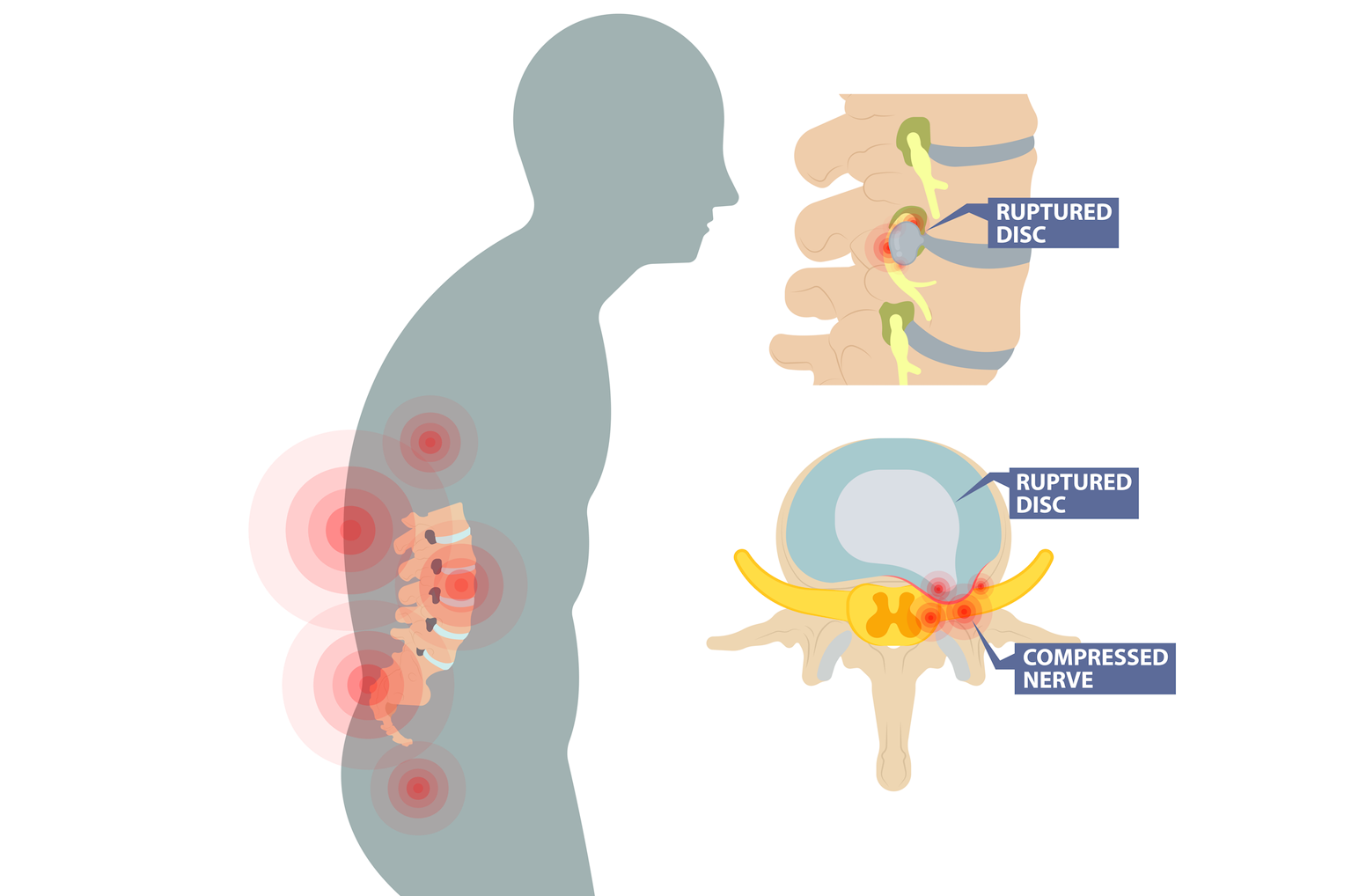
The impact of SCI varies depending on the level and severity of the injury. Key symptoms include:
-
Loss of movement or paralysis in limbs
-
Loss of sensation (heat, cold, and touch)
-
Intense stinging sensation caused by nerve damage
-
Muscle spasms and exaggerated reflexes
-
Breathing difficulties or chronic coughing
-
Extreme back pain or pressure in the neck/head
Advanced Trauma Management
We provide a continuum of care starting from emergency surgical stabilization to long-term neuro-rehabilitation.
-
Spinal Decompression: Urgent surgery to remove pressure from the cord.
-
Stabilization & Fusion: Using hardware to realign and secure the spine.
-
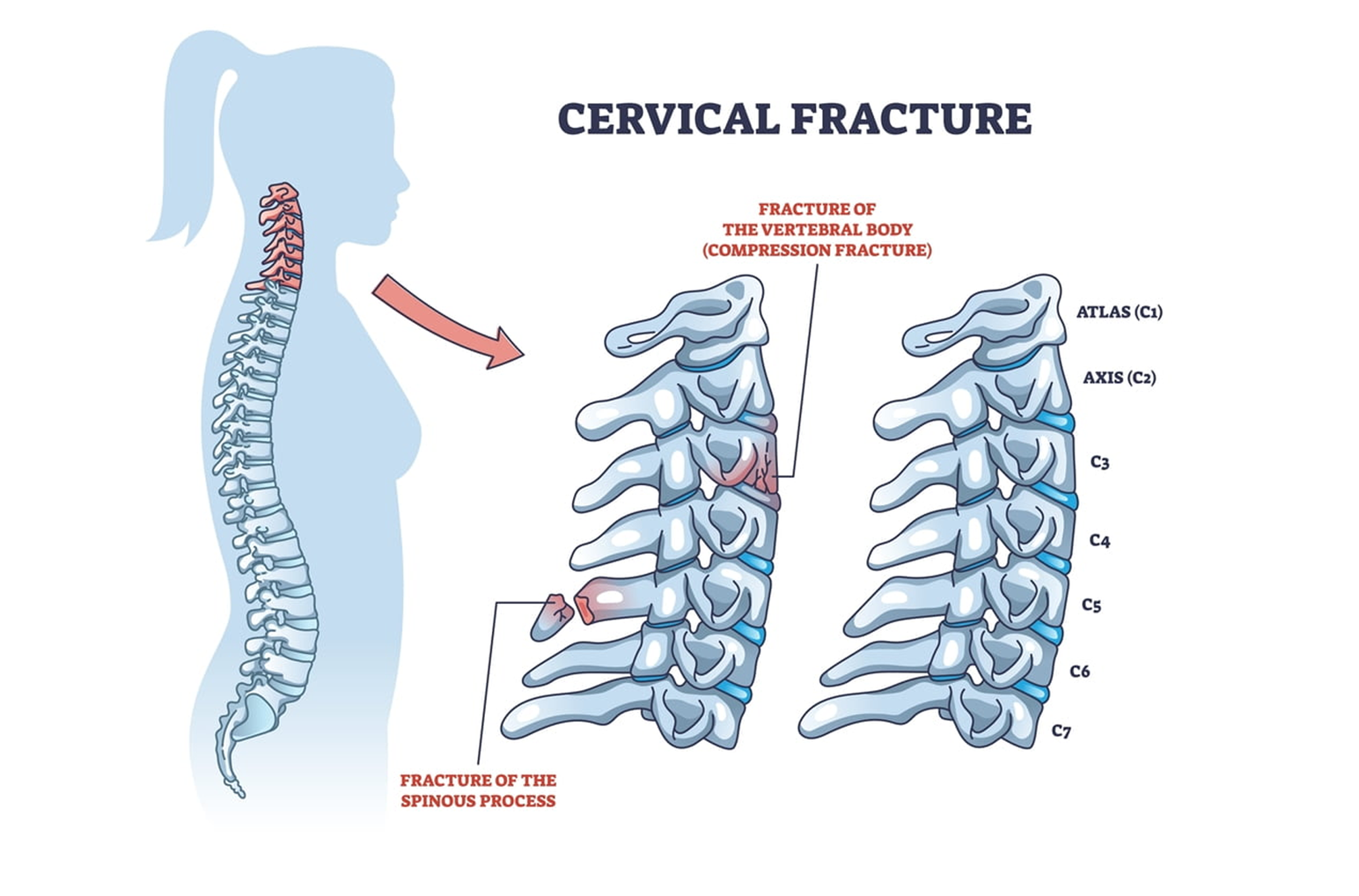
Fracture Management: Specialized care for vertebral fractures.
-
Neuro-Monitoring: Real-time assessment during surgical procedures.
-
Rehabilitative Support: Coordinated physical and occupational therapy.
-
Pain Management: Interdisciplinary care for chronic spinal pain.
Can you recover from a complete spinal cord injury?
Recovery depends on the severity. While "complete" injuries have a lower chance of reversing paralysis, advanced rehabilitation and early intervention can still significantly improve quality of life and independence.
How soon should surgery be performed after an injury?
Early surgery—often within the first 24 hours—is typically recommended to decompress the spinal cord and stabilize the spine to prevent further damage.
What is the difference between paraplegia and quadriplegia?
Paraplegia affects the lower half of the body (legs), while quadriplegia (also called tetraplegia) affects all four limbs and the torso.
Explore Our Neurosurgical Services
Specialized care for complex brain and spine conditions